October 20, 2026
Embarking on a major property redevelopment, renovation, or land clearing endeavor begins with removing obsolete or unstable structures. While taking a sledgehammer to old walls might seem like a straightforward task, structural teardowns involve intricate engineering, strict regulatory standards, and severe safety hazards. Attempting to dismantle a building without proper licensing, heavy machinery, and specialized knowledge can result in structural collapses, severed utility lines, regulatory penalties, and significant project delays. Partnering with a licensed demolition company ensures that the entire teardown process proceeds under strict supervision, adhering to regional safety codes and environmental standards. From initial planning to final site grading, licensed professionals bring the organizational expertise needed to streamline complex projects and prevent avoidable disruptions.
Property transformations require careful coordination to keep subsequent construction phases moving forward without unexpected interruptions. When uncertified operators attempt structural clearing, they often overlook critical steps such as utility disconnection notices, historic preservation mandates, and proper landfill diversion protocols. These oversights routinely stall progress, leaving property owners entangled in administrative disputes and site shutdowns. Working alongside fully qualified contractors provides access to experienced specialists who understand the logistical realities of clearing properties. By evaluating property boundaries, identifying hidden liabilities, and executing precise dismantling strategies, certified teams protect property owners from unnecessary setbacks while establishing a clean slate for future building.
Navigating Local Permitting and Regulatory Requirements
Securing the necessary permits represents one of the most bureaucratic and time-consuming phases of any property clearance project. Municipalities enforce rigorous ordinances governing noise generation, dust containment, public right-of-way usage, and structural teardown procedures. Navigating these regional codes demands familiarity with municipal zoning departments, environmental health agencies, and building divisions. A licensed demolition company maintains working relationships with local permitting authorities and understands the precise documentation required to obtain approval without unnecessary delays. Their administrative staff prepares detailed site clearance submittals, traffic management plans, and erosion control disclosures to ensure comprehensive regulatory alignment.
Operating without proper municipal authorization can result in immediate stop-work orders, administrative penalties, and extensive delays that disrupt entire construction schedules. In contrast, licensed professionals manage the bureaucratic submission process from start to finish, ensuring that every formal permit is verified prior to moving equipment onto the job site. Furthermore, certified operators routinely schedule and coordinate municipal inspections throughout the dismantling process. This adherence to statutory obligations guarantees that your project maintains legal standing, allowing subsequent developers, architects, and builders to initiate their work without administrative complications.
Protecting Adjacent Structures and Underground Utilities
Dismantling a structure is an exacting engineering discipline that requires surgical precision rather than brute force. Urban and suburban properties often feature tight setbacks, shared property lines, overhead electrical wires, and adjacent buildings situated merely inches away. Uncontrolled felling or improper sequencing can cause structural vibrations, falling debris, or foundation shifting that damages neighboring properties. A licensed demolition company conducts comprehensive structural assessments to evaluate load paths, wall integrity, and potential collapse zones before executing any physical removal. They utilize selective dismantling techniques and protective barriers to shield adjoining homes, fences, sidewalks, and landscape elements from collateral damage.
Equally critical is the identification and preservation of vital subterranean infrastructure. Beneath every building lies an extensive network of buried utilities, including natural gas mains, pressurized water supply lines, electrical conduits, sewer lines, and fiber-optic communication cables. Striking an active gas pipe or electrical line creates immediate life-safety emergencies and widespread neighborhood outages that halt work indefinitely. Certified contractors coordinate mandatory utility locate requests, confirm physical disconnects with utility providers, and utilize hand-digging protocols around sensitive utility corridors to prevent strikes. This calculated approach prevents infrastructure damage and keeps neighborhood relationships positive throughout the project.
Mitigating Hazardous Materials and Environmental Risks
Older structures often harbor hazardous substances that present severe health and environmental hazards when disturbed during mechanical teardowns. Materials such as lead-based paints, polychlorinated biphenyls, silica dust, and asbestos fibers require strict containment and regulated disposal pathways to avoid widespread airborne contamination. According to HomeGuide, residential buildings erected prior to or throughout the 1970s regularly contain hazardous asbestos or lead, which necessitates certified hazardous substance abatement at least two weeks prior to demolition. A qualified demolition company understands these critical regulatory requirements and works in tandem with accredited environmental inspectors to perform thorough hazardous material assessments before teardown activities commence.
Failing to properly identify and contain toxic materials can result in severe health complications for onsite workers and neighboring residents, as well as environmental violations. A certified contractor implements strict dust suppression strategies, utilizing specialized misting systems and air monitoring equipment to minimize airborne particulate dispersion during dismantling operations. Furthermore, hazardous components are meticulously segregated, packaged, manifests generated, and transported to specialized disposal facilities in strict accordance with environmental protection laws. By managing these environmental liabilities proactively, certified operators preserve public health and protect property owners from future legal exposure.
Utilizing Specialized Machinery and Proven Techniques
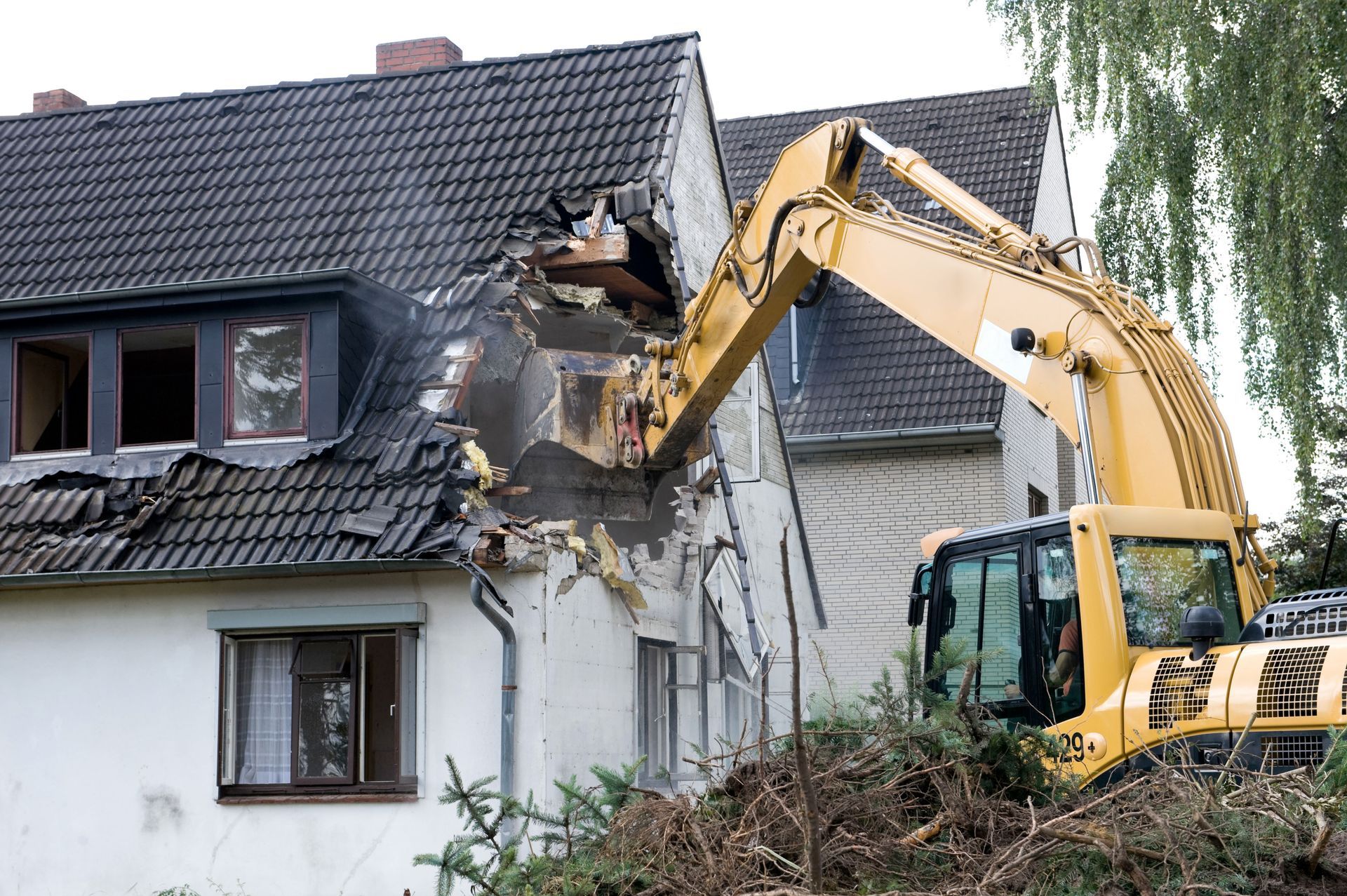
Modern structural removal relies heavily on advanced industrial machinery operated by skilled heavy equipment professionals. High-reach excavators equipped with hydraulic shears, concrete pulverizers, grapple attachments, and hydraulic breakers can dismantle multi-story structures with speed and accuracy. Attempting to clear a building with inadequate tools or rented machinery operated by inexperienced personnel prolongs the operational timeline and elevates accident risks. An established demolition company deploys an extensive fleet of well-maintained industrial equipment matched specifically to the structural composition and geographic footprint of your building.
Experienced machine operators understand how different building materials respond to mechanical stress, allowing them to systematically peel back roofing systems, crush reinforced concrete slabs, and shear structural steel beams without causing erratic material shifts. This systematic methodology ensures rapid progress while maintaining complete control over falling debris and operational noise. Moreover, professional equipment fleets feature integrated safety systems, specialized cab shielding, and advanced filtration units that enable teams to work steadily through challenging conditions. The deployment of appropriate industrial machinery transforms what could be prolonged manual labor into an organized, efficient operation.
Expediting Debris Removal and Site Clearance
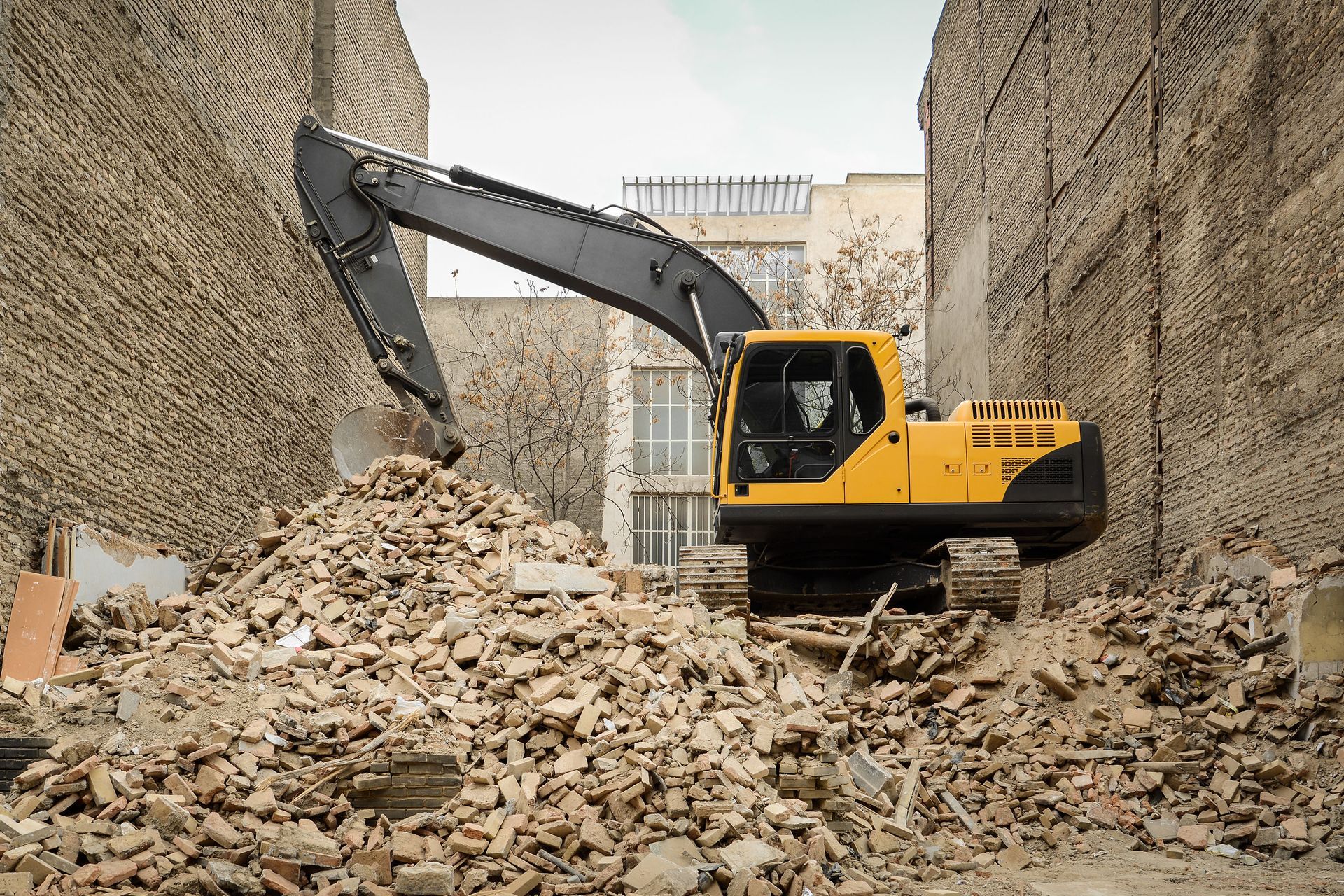
Tearing down a building generates tremendous volumes of mixed debris, including shattered concrete, dimensional lumber, brickwork, metal framing, insulation, and roofing materials. Without an organized waste management strategy, a project site quickly becomes an impassable area of scattered rubbish that impedes subsequent construction activities. A reputable demolition company develops waste diversion strategies that prioritize material salvage and recycling over indiscriminate landfill disposal. Reusable metals, structural timbers, and masonry are systematically sorted directly on-site to maximize reclamation value and minimize environmental impact.
Recycling concrete and masonry into crushed aggregate not only diverts substantial tonnage from municipal landfills but also provides reusable base material for future construction foundations. Licensed operators maintain established relationships with regional recycling depots, commercial scrap yards, and processing centers, ensuring constant haul-off logistics via heavy roll-off containers and dump trucks. Once all debris is cleared, the team conducts final site grading, backfilling voids, and preparing the ground surface for future construction. This thorough cleanup delivers a stable building pad ready for immediate development.
When you partner with a licensed demolition company, you gain valuable peace of mind knowing that your property clearance adheres strictly to environmental mandates and local building codes. If you are ready for a smooth and efficient structural teardown, contact us at Crete Doc today. We will help you clear your property safely, navigate municipal requirements, and prepare your job site for its next exciting phase of development.